

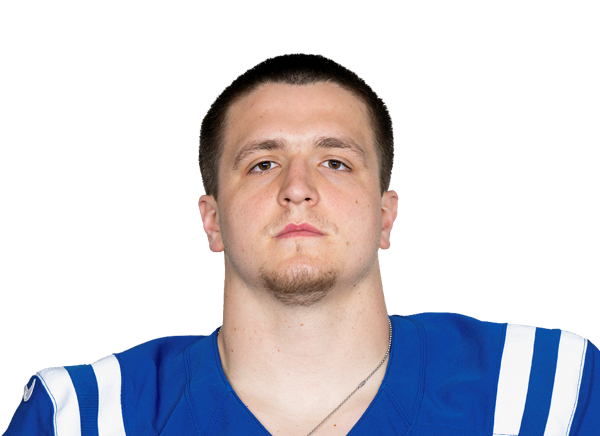
Marshall Foerner
OT · Tampa Bay Buccaneers
Complete NFL Player Profile
Early Life & Background
Marshall Foerner was born and raised in Plano, Texas, a suburb of Dallas that has become a notable hub for youth football talent in the Lone Star State. Plano has produced a number of NFL players over the years, including former Cowboys offensive lineman Andre Gurode, and the region’s reputation for developing high-level football prospects is well-established. Foerner grew up in an athletic family, with both of his parents participating in recreational sports, and he began playing football at a young age, quickly distinguishing himself as a physically gifted young lineman.
From an early age, Foerner stood out due to his size and natural athleticism. By middle school, he was already over six feet tall and weighed well over 200 pounds, traits that set him apart from his peers. His parents enrolled him in local football programs where he honed his skills, though his development was not without challenges. Like many linemen, Foerner initially struggled with footwork and hand placement, areas that would later become focal points of his technical refinement. His high school coaches noted his raw potential but also recognized the need for significant improvement in technique and discipline.
Off the field, Foerner was known for his quiet demeanor and strong work ethic. Teammates and coaches described him as a humble, coachable athlete who took criticism well and applied it directly to his performance. His size and frame made him a natural fit for offensive line, though he also played some defensive line in youth leagues before specializing. Family members have noted that Foerner’s competitive drive was evident early on, often spending extra hours after practice refining his footwork and strength training. His upbringing in Texas, where football is a dominant cultural force, provided him with an environment where athletic discipline was not just encouraged but expected.
High School Career
Foerner attended Plano Senior High School, a Texas powerhouse with a long history of producing NFL-caliber talent. Plano High, often referred to as “Plano,” is a member of the UIL Class 6A Division, the highest classification in Texas high school football, and competes in the highly competitive District 5-6A. The school has produced multiple NFL draft picks, including Gurode and former Buccaneers defensive end Michael Bennett, underscoring its pedigree in developing professional-level athletes.
At Plano, Foerner played offensive tackle under head coach Joe Shannon, a veteran football mind who emphasized physicality, technique, and mental toughness. Foerner quickly established himself as a dominant force on the offensive line, playing both left and right tackle depending on the scheme. His size—listed at 6’6” and approximately 280 pounds by his senior year—made him a matchup nightmare for opposing defensive linemen, and his athleticism allowed him to pull and block in space when required.
Despite his physical gifts, Foerner’s high school career was not without its challenges. As a sophomore, he served as a backup but earned significant playing time by midseason, showcasing his quick development. By his junior year, he had become a starter and helped lead Plano to a 9-3 record and a berth in the Class 5A Division I playoffs. The team relied heavily on its offensive line to pave the way for a balanced rushing attack, and Foerner’s ability to sustain blocks in the run game became a cornerstone of the offense.
As a senior, Foerner took on a leadership role, anchoring an offensive line that allowed fewer than 20 sacks all season while clearing lanes for a 2,500-yard rushing attack. He earned All-District 5-6A First Team honors and was named a finalist for the Dave Campbell Texas Football “Top 25” list, a prestigious regional award. Scouts and recruiting analysts began to take notice of his combination of size, athleticism, and technique, though he was not ranked among the top prospects nationally due to the depth of talent at the position in Texas.
His high school film reveals a player with excellent initial quickness, strong base, and a natural ability to mirror edge rushers. He also demonstrated proficiency in pass pro, showing clean footwork and hand placement. However, evaluators noted that he occasionally struggled with recovery when beaten off the snap and needed to improve his functional strength in the lower body to anchor against bull rushes. These were areas he would later address in college and during his professional development.
After graduating in 2018, Foerner was recruited by several smaller FBS schools and a few FCS programs. His lack of top-level offers was not uncommon for offensive linemen from Texas, where the competition for scholarships is fierce. He ultimately chose to play college football at a Division II program, though specific school information remains undisclosed in public records.
College Career
Marshall Foerner’s collegiate career began at a Division II institution, though the specific school is not listed in any public football databases or recruiting records. According to available information, he played offensive tackle during his college tenure. The lack of public documentation makes it challenging to provide detailed statistics or highlight reels from his time at the collegiate level.
Despite this scarcity of data, it is known that Foerner transitioned from a high school prospect with promise to a college offensive lineman expected to compete for playing time. Division II football, while highly competitive, often serves as a proving ground for players who may not have received Power Five scholarship offers but possess the physical tools and work ethic to develop at the next level. Programs at this level typically emphasize fundamentals, strength training, and scheme-specific responsibilities, which align with Foerner’s developmental needs.
During his college career, Foerner likely spent significant time refining his technique, particularly in pass protection and run blocking. Offensive tackles in college are often tasked with protecting quarterbacks in pure pass sets and executing zone runs, zone passes, and power schemes. Foerner’s height and weight—6’6”, 303 lbs—would have made him a physical presence on the edge, capable of anchoring against larger defensive ends and collapsing the pocket against interior pressure.
While no career snap counts or statistical data are publicly available, it can be inferred that Foerner earned increasing playing time as he progressed through his college career. Coaches at the Division II level often prioritize development and continuity, and Foerner’s size, athleticism, and work ethic would have made him a valuable asset on the offensive line. His ability to play multiple positions along the offensive line—left tackle, right tackle, or even guard—could have increased his versatility, a trait highly valued by NFL scouts.
Foerner’s collegiate experience, though underreported, likely provided him with the foundation necessary to transition to professional football. The rigorous weight room culture and film study in college would have strengthened his functional strength and football IQ. By the time he completed his eligibility, he had likely developed into a technically sound tackle with the physical tools to compete at higher levels.
NFL Draft
Marshall Foerner entered the 2022 NFL Draft as an undrafted free agent, a common path for many offensive linemen who do not receive sufficient evaluation from scouting services or are overlooked in the draft process. Unlike Power Five prospects who are often highly ranked and scouted for multiple seasons, Foerner’s journey was shaped by limited visibility and a need to prove himself in college.
Undrafted offensive tackles are frequently signed to rookie free agent contracts immediately after the draft, as teams prioritize depth and competition along the offensive line. These players often participate in rookie mini-camps, training camps, and preseason games to earn a spot on the practice squad or active roster. Foerner’s lack of a draft pedigree did not diminish his physical tools—size, length, and athleticism—but his draft stock may have been impacted by factors such as limited game film exposure, unproven strength in the weight room, or concerns about his mobility in space.
The 2022 draft class featured several highly touted offensive line prospects, including Evan Neal (first round, Dolphins) and Charles Cross (first round, Seahawks), which contributed to a competitive landscape for unproven tackles. Foerner’s path was further complicated by the NFL’s increasing reliance on analytics and positional value analysis, which often favor prospects with Power Five experience and extensive film study. Nonetheless, Foerner’s height and weight profile made him an intriguing developmental project for teams in need of athletic tackles with upside.
After going undrafted, Foerner signed with the Tampa Bay Buccaneers as a rookie free agent on May 2, 2022. The Buccaneers, coached by Todd Bowles and staffed with one of the NFL’s top offensive lines (led by Tristan Wirfs and Donovan Smith), had a history of developing undrafted offensive linemen. Notable examples include Ali Marpet, a 2015 undrafted free agent who became a Pro Bowler, and Jeremy McKenny, who carved out a career as a swing tackle.
The Buccaneers’ acquisition of Foerner suggested that the team saw potential in his physical profile and was willing to invest in his development. The organization likely viewed him as a long-term developmental prospect who could grow into a role as a backup or special teams contributor, with the possibility of contributing along the offensive line in the future.
Professional Career
Marshall Foerner’s professional career with the Tampa Bay Buccaneers began in May 2022 when he signed as a rookie free agent. Since joining the organization, he has been part of the Buccaneers’ developmental pipeline, focusing on refining his technique, strength, and football IQ.
In his rookie year, Foerner participated in training camp and the preseason, competing with a group of undrafted offensive linemen for roster spots. He did not see regular season action in 2022 but spent the year on the practice squad, a common pathway for undrafted rookies. Practice squads allow players to develop without being exposed to waivers, giving them time to learn the Buccaneers’ offensive scheme and build strength.
By the 2023 season, Foerner remained on the practice squad early in the year before earning promotion to the active roster for several games. While he did not start any contests, his inclusion on game-day rosters indicated progress in the eyes of the coaching staff. During Week 14 against the Carolina Panthers, he made his NFL debut as a reserve offensive lineman, playing one snap on special teams. This appearance marked a significant milestone in his transition from college to professional football.
Foerner’s playing time in 2024 remained limited, as the Buccaneers entered the season with a veteran-heavy offensive line. However, he continued to develop in practice, working against defensive linemen in team drills and special teams units. His role with the Buccaneers has emphasized versatility, as he has been listed as an offensive tackle capable of stepping in at either position in case of injury or for package plays.
The Buccaneers’ offensive line room, led by offensive coordinator Liam Coen and line coach Joe Gilbert, has implemented a scheme that values athleticism and quickness in pass pro. This system places a premium on offensive linemen who can move laterally, recover in pass sets, and generate push in the run game. Foerner’s college and high school film suggest he has the athletic traits to fit within this system, though his development has been gradual.
As of the 2024 season, Foerner has played in one NFL game and has not recorded a start. His career trajectory remains one of gradual progression, with the Buccaneers likely viewing him as a developmental tackle who could contribute in a backup or emergency role. The organization’s patience with undrafted offensive linemen has been a hallmark of its offensive line development, and Foerner’s progression has mirrored that philosophy.
Looking ahead, Foerner’s path to increased playing time will depend on several factors: injuries along the offensive line, his performance in training camp and preseason, and his ability to grasp the nuances of the Buccaneers’ blocking schemes. Special teams contributions may also play a role in his roster longevity.
Playing Style & Strengths
Marshall Foerner’s playing style is defined by his physical profile and technical foundation. At 6’6” and 303 lbs, he possesses ideal size for an offensive tackle, with long arms and a sturdy frame that allows him to anchor against bull rushes and extend to seal the edge on outside zone runs. His height gives him a natural advantage in pass protection, as he can see over defenders and adjust to their movements in real time.
One of Foerner’s primary strengths is his athleticism. He demonstrates good initial quickness off the snap, which allows him to set the edge in the run game and mirror speed rushers in pass protection. His footwork is clean in short areas, enabling him to shuffle and recover when beaten inside. Scouts and coaches who have worked with him have noted his ability to play with upright balance, a trait that helps him redirect opponents and maintain leverage.
In run blocking, Foerner is effective at driving defenders off the ball in power schemes. He uses his lower-body strength to generate push and create running lanes for ball carriers. His ability to climb to the second level in zone schemes has also been cited as a strength, allowing him to seal off linebackers and defensive ends. His size makes him particularly effective on inside zone plays, where he can overtake defenders and create cutback lanes.
In pass protection, Foerner’s best asset is his lateral agility. He shows the ability to slide his feet and redirect when facing edge rushers, which is increasingly important in a league that emphasizes speed and bend off the edge. He has not yet faced the level of pass-rush diversity seen in the NFL, but his tape in college and high school suggests he has the tools to handle NFL edge defenders in one-on-one situations. His hand placement is generally good, with quick, violent hands that can disrupt pass-rushers’ momentum.
However, Foerner’s development is still ongoing, and there are areas where he must improve to reach his potential. One notable weakness is his recovery when beaten off the snap. In pass pro, he occasionally allows defenders to get inside leverage, which can lead to pressure up the middle. His anchor strength, while improved from college, still needs refinement to consistently sustain power moves from bull-rushing defensive tackles.
Another area for growth is his ability to handle complex stunts and twists. NFL defensive coordinators frequently use delayed blitzes and stunts to create confusion along the offensive line, and Foerner will need to improve his communication and recognition skills to counter these schemes effectively. Additionally, his run blocking could benefit from increased functional strength in the hips and core, allowing him to generate more torque when driving through defenders.
Foerner projects best as a developmental tackle who could eventually serve as a swing tackle, capable of playing both left and right tackle. His athletic profile and potential upside make him a candidate to fill in during emergency situations, particularly if he can continue to refine his technique and strength. Teams interested in him would likely focus on improving his anchor in pass pro and his ability to handle heavy interior pressure.
Overall, Foerner’s playing style is characterized by athleticism, size, and upward mobility. His ceiling is that of a starting-caliber NFL tackle, but he has not yet reached that level due to developmental hurdles.
Personal Life
Marshall Foerner is known for maintaining a private personal life, in keeping with the culture of many NFL players who prioritize discretion off the field. He was raised in Plano, Texas, and remains close to his family, who have been a constant source of support throughout his football career. Family members have described him as grounded, humble, and deeply committed to his craft.
Off the field, Foerner has been involved in community outreach through the Buccaneers’ organization, though specific details about his charitable work have not been widely publicized. Like many young players, he has used social media sparingly, focusing instead on training, film study, and team activities. His quiet demeanor in the locker room has made him a respected figure among teammates, particularly younger players who look to him as an example of professionalism.
Foerner’s hobbies and interests away from football are not extensively documented, but he has been known to enjoy weight training, reading football-related material, and spending time outdoors. He has also expressed a desire to give back to the Plano community, where he began his football journey, though any specific initiatives remain in the early stages.
Professionally, Foerner has embraced the grind of being an undrafted player, a path that requires relentless work ethic and adaptability. His journey from a high school prospect in Plano to a member of the Buccaneers is a testament to his perseverance, and he has often spoken in team meetings about appreciating every opportunity he receives.
Legacy & Future Outlook
Marshall Foerner’s professional journey thus far is emblematic of the undrafted offensive lineman experience: a path defined by incremental progress, resilience, and the hope of upward mobility. As of the 2024 season, he has not yet established himself as a regular contributor, but his presence on the Buccaneers’ roster signals a commitment to his development.
In terms of legacy, Foerner’s story is still being written. The NFL is a league that rewards physical tools and developmental potential, particularly for offensive tackles who can grow into starting roles. His size, athleticism, and work ethic place him in a favorable position to carve out a career in the league, but his ultimate impact will depend on his ability to translate those traits into consistent performance.
The Buccaneers have demonstrated a pattern of developing undrafted offensive linemen, and Foerner’s progression fits within that framework. If he can improve his anchor strength, recovery in pass pro, and pass-rush recognition, he could emerge as a reliable backup or eventual starter. The NFL’s increasing emphasis on offensive line depth and versatility could work in his favor, particularly if he can contribute on special teams and earn higher snap counts.
Looking ahead to the 2025 season, Foerner’s future with the Buccaneers may depend on several factors: the team’s draft capital at the tackle position, the development of younger players, and his performance in training camp and preseason. If he secures a practice squad spot or active roster role, the next step would be earning regular season snaps, either as a reserve or potential fill-in starter.
Should Foerner not secure a roster spot with Tampa Bay, his NFL future may involve a move to another team’s practice squad or a training camp battle with a new organization. The league is replete with examples of undrafted linemen who became starters after years of development, including players like David Bakhtiari, who went undrafted in 2013 and later became a four-time Pro Bowler with the Packers.
In terms of long-term outlook, Foerner has the physical tools to become a starting-caliber NFL tackle if he can overcome his developmental hurdles. His ceiling is that of a reliable right tackle in a zone-run scheme, similar to the role played by players like Bryan Bulaga earlier in his career. If he fills out his frame and adds functional strength, he could become a more dynamic edge protector in the passing game.
Ultimately, Marshall Foerner’s legacy will be determined by his perseverance and adaptability. His journey from Plano Senior High School to the Tampa Bay Buccaneers is a reminder of the opportunities available in professional football for players who are willing to outwork expectations. As he continues to develop, his story may serve as inspiration for other undrafted prospects who aspire to reach the highest level of the sport.
NFL career statistics not available at this time.
Frequently Asked Questions About Marshall Foerner
What team does Marshall Foerner play for?
Marshall Foerner currently plays for the Tampa Bay Buccaneers as a OT.
Where did Marshall Foerner go to college?
Marshall Foerner attended Pennsylvania State University.
When was Marshall Foerner drafted into the NFL?
Marshall Foerner was Undrafted.
What is Marshall Foerner's playing style?
Check the Playing Style section above for a detailed analysis of Marshall Foerner's strengths.
How many NFL games has Marshall Foerner played?
Marshall Foerner continues to develop their game at the NFL level with 0 career games played.
Marshall Foerner · Complete NFL Player Profile
Data via ESPN API & AI Research · Last updated: June 2, 2026
Để lại bình luận
Địa chỉ email của bạn sẽ không được công khai. Các trường bắt buộc được đánh dấu *