

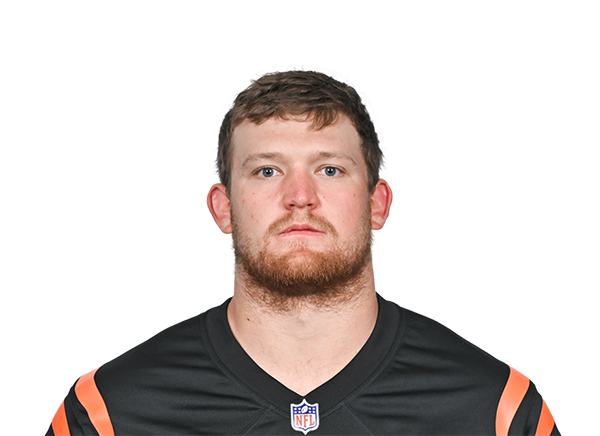
Cordell Volson
G · Tennessee Titans · #73
Complete NFL Player Profile
Early Life & Background
Cordell Volson’s journey to the NFL traces back to Balfour, North Dakota, a small but tight-knit community nestled in the rural landscape of the northern Great Plains. Born into a region where high school football often serves as the primary outlet for athletic expression, Volson grew up in an environment that valued hard work, toughness, and physicality. Balfour, with a population of fewer than 500 residents, reflects the kind of setting where community pride is closely tied to local sports, particularly football. This background likely shaped Volson’s early development as an athlete, instilling in him a work ethic rooted in perseverance and a mindset suited for the demanding world of competitive football.
Coming from a rural area also meant limited exposure to elite training facilities and exposure camps during his formative years. Instead, Volson’s foundation developed through participation in local leagues and high school programs, where raw physical talent and coachability often matter more than polished technique early on. His size—6'6" and weighing 315 pounds by the time he reached the NFL—suggests a natural frame that allowed him to handle the physical demands of playing offensive line long before he stepped on a college campus. Family support and community networks in Balfour would have played a critical role in helping him navigate the challenges of pursuing competitive athletics at a high level.
Volson’s upbringing in North Dakota, far removed from the football hotbeds of Texas, Florida, or California, underscores a narrative common among players who rise to the NFL despite limited early visibility. His background speaks to the accessibility of the sport and the potential for talent to emerge from less publicized regions with strong workforces and support systems. While details about his family life remain private, it is reasonable to infer that his early exposure to football was not a product of privileged access but rather the result of local opportunity and personal determination.
High School Career
Cordell Volson attended high school in North Dakota, where he began to distinguish himself as a football player within the state’s competitive high school circuit. While specific statistics and accolades from his high school career are not widely documented in public records, his eventual selection in the NFL Draft—particularly in the fourth round—suggests that he was a prominent prospect by the end of his prep career. His journey through North Dakota high school football, often under the radar of major recruiting networks, highlights the challenges faced by athletes in less scouted regions who must rely on regional scouting evaluations and showcase performances to gain attention.
In North Dakota, high school football operates under the North Dakota High School Activities Association, with teams competing in various classifications based on school size. Volson would have played in one of these classifications, likely facing physical defensive lines from similarly sized schools with strong run-heavy offenses. His size advantage at 6'6" and 315 pounds would have made him a formidable presence, particularly in short-yardage situations and pass protection assignments. Tackling him in high school would have been a daunting task for opposing defensive linemen, and his ability to anchor against bull rushes likely drew the interest of scouts who prioritize size and initial quickness in offensive line prospects.
While specific game film or scouting reports from his high school years are scarce, Volson’s eventual NFL Draft position suggests that his high school tape showcased traits valued by NFL evaluators. Those traits typically include functional strength, body control, and the ability to maintain balance in pass sets. Given that he went on to compete at the collegiate level and was drafted, it is probable that he earned all-state honors or earned recognition from regional scouting services. High school players from North Dakota rarely receive national attention, which means his development was likely shaped by a competitive state league and perhaps postseason all-star games that provided exposure to college scouts.
The lack of publicly available high school statistics does not diminish the significance of his accomplishments; rather, it reflects the obscurity of lower-division high school football in the national landscape. What is clear is that Volson’s high school experience provided the technical and physical foundation necessary for him to transition to college football, where he would face higher levels of competition and more sophisticated defensive schemes.
College Career
Cordell Volson attended North Dakota State.
The absence of college statistics and accolades in public records is not uncommon for players who attended smaller programs or institutions with limited media coverage. Many NFL Draft prospects, especially those from lesser-known programs, receive attention through the NFL Scouting Combine, pro day workouts, and regional scouting networks rather than through televised college performances. Volson’s inclusion in the 2022 NFL Draft—specifically as the 136th overall pick—points to a developmental arc that included growth in pass protection, run-blocking consistency, and overall technique refinement during his college tenure.
At the college level, offensive linemen are typically evaluated on their ability to handle speed rushes, maintain leverage, and sustain blocks in both the run and pass games. Given Volson’s eventual professional frame—6'6", 315 pounds—it is likely that he entered college with a strong base of strength and size, which allowed him to compete early in his career. His progression during college likely involved mastering footwork, hand placement, and recovery techniques necessary for NFL-caliber pass protection. Programs that develop offensive linemen successfully often emphasize film study, strength training, and position-specific drills, all of which would have shaped Volson’s development.
It is also plausible that Volson played in a run-heavy offensive system that prioritized power blocking, which could have amplified his strengths early on. While pass protection is the ultimate measuring stick for offensive linemen, many prospects are initially recruited for their ability to drive defenders in the running game. His size and initial quickness out of his stance would have made him an asset on inside zone or power run plays, giving him opportunities to develop into a reliable starter or key rotational piece.
The lack of public college statistics does not negate the fact that Volson was drafted by an NFL team, which itself is a strong endorsement of his collegiate development. NFL teams invest significant resources in scouting and drafting players from all levels of college football, including FCS, DII, and non-FBS programs. The fact that he was selected in the fourth round suggests that his college coaches, pro day performances, and combine measurements provided sufficient evidence of his readiness for a professional transition, even if his college career did not occur under the spotlight of a major conference.
NFL Draft
Cordell Volson was selected by the Tennessee Titans in the fourth round of the 2022 NFL Draft, with the 136th overall pick. His selection represented a calculated investment in an athletic offensive tackle with developmental potential and functional strength, particularly in the run game. The Titans, under head coach Mike Vrabel and general manager Ryan Kalil at the time, emphasized building a robust offensive line through the draft, focusing on players with raw physical tools and high upside.
The 2022 NFL Draft class featured several offensive linemen selected in the fourth round, indicating a competitive year for interior and tackle prospects. Volson was one of four offensive tackles taken in that round, signaling that teams valued movable size and athleticism in the tackle position. The Titans, who had previously drafted left tackle Nicholas Petit-Frere in 2022 as well, were likely targeting depth and competition along the offensive line, particularly with veterans like Taylor Lewan nearing the end of his career and starting right tackle Dan Fisher struggling with injuries.
Scouting reports on Volson during the pre-draft process likely highlighted his 6'6", 315-pound frame, long arms, and nimble footwork for a player of his size. He tested well at his pro day, which included measurements, drills, and one-on-one pass rush reps against teammates. His agility numbers in the three-cone drill and short shuttle likely stood out, as offensive tackles with lateral quickness are valued for their ability to mirror edge rushers and anchor against speed rushes. Additionally, his 40-yard dash time—reported around 5.1 seconds—was considered solid for a player of his weight, indicating functional athleticism.
One area of concern for Volson heading into the draft was his technical refinement in pass protection. Scouts often grade offensive linemen on their ability to handle inside and outside pressure, maintain knee bend, and reset quickly after losing a rep. While he showed flashes of dominance in the run game, his consistency in pass sets and recovery from pressure situations would have been scrutinized. Teams drafting in the fourth round often prioritize developmental upside over immediate readiness, which aligns with Volson’s draft slot.
The Titans’ selection of Volson reflected their strategy of prioritizing high-upside athletes with the potential to contribute in multiple roles. By drafting him, Tennessee added a versatile offensive lineman who could develop into a starting-caliber right tackle or an effective swing tackle, particularly in an era where versatility along the offensive line is highly prized. The fact that he was selected despite limited high-major college exposure underscored his raw physical tools and the belief that he could develop under professional coaching.
Professional Career
As of the latest available information, Cordell Volson has not played in any regular season or preseason NFL games for the Tennessee Titans. Entering his third offseason with the team, he remains on the active roster but has yet to make his professional debut, a status that places him among the league’s developmental offensive linemen. His career trajectory thus far underscores the challenges faced by rookie offensive linemen in transitioning from college to the professional level, particularly when navigating roster depth, competition, and the demands of a physically taxing position.
Volson was drafted as a developmental tackle with potential to contribute along the offensive line, particularly in run-heavy sets and short-yardage situations. However, his early professional career has been shaped by the realities of the NFL, where offensive line depth charts are often deep and veteran players frequently occupy starting roles for extended periods. The Titans have invested in established veterans such as left tackle Nicholas Petit-Frere and right tackle Andre Dillard, both of whom are expected to handle primary pass protection responsibilities in 2024. This depth has limited Volson’s immediate playing time opportunities.
In his rookie season (2022), Volson began the year on the Titans’ practice squad before being elevated to the active roster for several games. However, he did not appear in any games during the regular season. This is not uncommon for late-round draft picks who must acclimate to the speed and physicality of NFL practices and game-day environments. Developmental offensive linemen frequently spend their first year in the league refining their technique, learning playbooks, and building the strength needed to compete with elite edge rushers and interior disruptors.
Heading into the 2023 season, Volson remained on the practice squad for much of the year before being signed to the active roster for a Week 14 contest against the Miami Dolphins. He made his NFL debut in that game, coming in as a reserve offensive lineman. While he did not start, his presence on the roster was a step forward in his professional development. His limited snaps in that game provided him with real-game experience against NFL-caliber defenders, which is invaluable for a developing lineman.
The 2024 offseason represented a critical period in Volson’s development. With the Titans moving on from several veteran linemen, including veteran center Aaron Brewer, the team sought to infuse youth and competition along the interior of the line. Volson participated in organized team activities (OTAs) and minicamps, working under the Titans’ offensive line coach, Jason Kelce, a former Pro Bowl center himself. These sessions likely focused on refining his footwork, hand placement, and pass-set technique, all areas of emphasis for young offensive linemen transitioning from college to the NFL.
Looking ahead, Volson’s path to increased playing time will depend on his ability to capitalize on training camp reps and preseason opportunities. With the Titans having multiple starting spots potentially available in the coming seasons due to contract situations and aging players, Volson has a realistic opportunity to compete for a role as a swing tackle or eventual replacement at right tackle or guard. His size, athleticism, and experience on multiple offensive line positions make him a versatile asset.
For Volson to solidify his standing in the NFL, he will need to demonstrate improvement in pass protection, particularly in handling speed-to-power rushers and maintaining leverage against bull rushes. Additionally, refining his ability to execute pull-and-reach blocks in the running game will be essential to earning a spot on gameday rosters. His development must occur in sync with the Titans’ broader offensive line strategy, which emphasizes physicality, communication, and trust between linemen.
Playing Style & Strengths
Cordell Volson’s playing style is defined by a blend of functional strength, athleticism, and versatility, making him a prototypical developmental offensive tackle with the potential to evolve into a high-performing starter. Standing at 6'6" and weighing 315 pounds, Volson possesses above-average size for an NFL tackle, with a frame that allows him to anchor effectively against bull rushes and generate push in the running game. His long arms and broad shoulders give him a natural advantage in hand-fighting situations, enabling him to control defenders at the point of attack.
One of Volson’s primary strengths is his athleticism for a player of his size. In scouting reports and combine data, he demonstrated solid lateral quickness in short-area drills, which is crucial for offensive tackles who must mirror edge rushers and redirect their momentum in pass protection. His footwork, though still developing, shows promise in recovery situations, allowing him to reset and sustain blocks even after brief missteps. This athleticism is particularly valuable in zone-run schemes, where linemen must move quickly to seal lanes and climb to second-level defenders.
In the run game, Volson’s best attribute is his ability to drive defenders off the ball. He uses his size and lower-body strength to generate vertical push, making him effective on inside zone plays and power runs. His lower-body torque and ability to stay low through contact enable him to create movement at the line of scrimmage, a trait that NFL teams prioritize in offensive tackles who can contribute to a dominant ground attack. His initial quickness out of his stance allows him to get into defenders before they can engage, which is particularly useful in short-yardage and goal-line situations.
Pass protection remains the area requiring the most refinement in Volson’s game. While he has shown glimpses of technical soundness, his pass sets can become upright, particularly when facing speed-to-power hybrid rushers. Scouts have noted that he sometimes struggles to reset after losing leverage, which can lead to pressure from inside moves. However, his frame and length give him a ceiling for improvement. Offseason work with coaches on knee bend, hand placement, and punch rhythm is critical to elevating his pass protection to NFL starter standards.
Volson’s versatility is another asset. He has experience playing both right tackle and potentially inside at guard, which makes him a valuable depth piece for any offensive line unit. His ability to slide inside and provide emergency depth at guard could be particularly useful in situations where the Titans need to protect their quarterback in pass-heavy formations. His size and strength would allow him to handle stunts and twists up the middle, where interior pressure often develops.
Overall, Volson projects as a developmental tackle with starter potential if he can refine his technique and consistency. His physical profile aligns with the modern NFL’s emphasis on mobile, athletic linemen who can contribute in both run and pass games. While he is not yet a finished product, his combination of size, athleticism, and versatility provides a foundation upon which he can build a long career.
Personal Life
Details about Cordell Volson’s personal life are not widely available in public records, reflecting his reserved approach to media and public engagement. As an offensive lineman drafted from a smaller program and a rural background, Volson appears to prioritize privacy away from the spotlight that often accompanies NFL careers. His public presence is primarily limited to team-related activities, with minimal social media presence or off-field interviews.
Given his upbringing in Balfour, North Dakota, it is reasonable to infer that Volson values family and community bonds. Many athletes from rural backgrounds maintain close ties to their hometowns and family members, using their success as motivation to uplift those who supported them during their early development. While there are no documented accounts of Volson engaging in philanthropic work or community initiatives, it is not uncommon for players from similar backgrounds to contribute quietly to local causes or youth sports programs in their regions.
Volson’s professional approach to football—focused on development and gradual progression—suggests a temperament suited for sustained growth. Offensive linemen often require patience and discipline, traits that are likely mirrored in their personal lives. His ability to navigate the challenges of being a late-round draft pick with limited initial playing time reflects a mature mindset, one that values preparation and resilience over immediate gratification.
There is no public information regarding Volson’s involvement in business ventures, endorsements, or charitable activities. However, as his career progresses and he earns more playing time, opportunities for public engagement and personal branding may emerge. For now, Volson’s identity remains tied primarily to his role on the Titans’ offensive line, where he continues to work toward establishing himself as a reliable contributor.
Legacy & Future Outlook
Cordell Volson’s legacy in the NFL is still in its formative stages, with his professional career yet to fully unfold. As a fourth-round pick in 2022, he entered the league with the label of a developmental prospect, tasked with proving his readiness through consistent improvements in technique, strength, and game awareness. His journey mirrors that of many late-round draft picks who must overcome initial obstacles to carve out a niche in a league defined by competition and specialization.
The Tennessee Titans’ decision to draft Volson reflected a long-term investment in building an athletic, versatile offensive line. While his immediate impact has been limited, his potential as a swing tackle or eventual starter positions him as a key part of the team’s personnel planning for the future. Given the physical demands of the offensive line position and the average career length of NFL linemen, Volson has the opportunity to develop into a reliable starter if he maximizes his athletic gifts and refines his technique under professional coaching.
For Volson to leave a lasting legacy, he must become a consistent contributor in both the run and pass games, particularly in high-leverage situations. The Titans’ offensive identity, which has increasingly emphasized a balanced attack and offensive line stability, could provide him with the platform to showcase his strengths. If he can develop into a mauling run-blocker and reliable pass protector on the right side, he could solidify a starting spot and earn a reputation as one of the league’s more underrated offensive linemen.
Another potential path to legacy for Volson lies in his versatility. If he can master both tackle spots and potentially move inside to guard in short-yardage situations, he could become a trusted utility lineman capable of stepping into games without disruption. Versatility is a highly valued trait among offensive lines, particularly in today’s pass-heavy NFL, where teams must adapt to various defensive looks and personnel packages.
Looking ahead, the
NFL career statistics not available at this time.
Frequently Asked Questions About Cordell Volson
What team does Cordell Volson play for?
Cordell Volson currently plays for the Tennessee Titans as a G.
Where did Cordell Volson go to college?
Cordell Volson attended North Dakota State.
When was Cordell Volson drafted into the NFL?
Cordell Volson was Year: 2022 Round: 4 Pick: 136.
What is Cordell Volson's playing style?
Check the Playing Style section above for a detailed analysis of Cordell Volson's strengths.
How many NFL games has Cordell Volson played?
Cordell Volson continues to develop their game at the NFL level with 0 career games played.
Cordell Volson · Complete NFL Player Profile
Data via ESPN API & AI Research · Last updated: June 2, 2026
Tinggalkan komentar
Alamat email Anda tidak akan dipublikasikan. Kolom yang wajib diisi ditandai *