

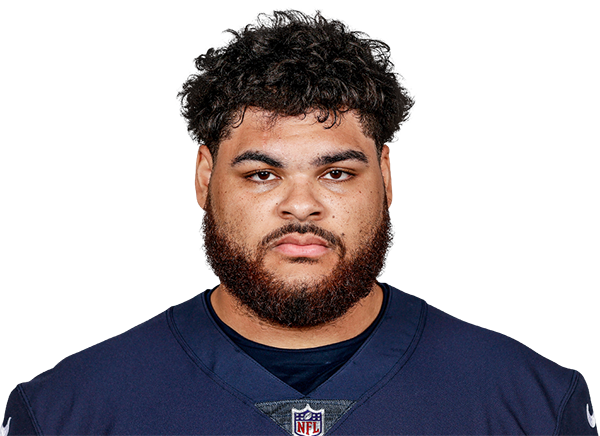
Darnell Wright
OT · Chicago Bears · #58
Complete NFL Player Profile
Early Life & Background
Darnell Wright was born and raised in Huntington, a city with a rich football tradition in West Virginia. Huntington, a small but tightly-knit community, has long been a breeding ground for athletic talent, producing players who have gone on to excel at the collegiate and professional levels. Wright grew up in an environment where football was more than just a sport—it was a way of life. The town’s passion for the game is evident in its high school football culture, where Friday nights under the lights are more than just games; they are communal events that bring together families, friends, and neighbors. This backdrop shaped Wright’s early years, instilling in him a deep love for the game and a relentless work ethic that would define his athletic journey.
Wright’s upbringing in Huntington was marked by the challenges and opportunities that come with growing up in a working-class community. His family played a pivotal role in his development, providing the support and encouragement he needed to pursue his dreams. From a young age, Wright exhibited the physical attributes that would later make him a standout offensive lineman: size, strength, and an innate understanding of the game’s nuances. His natural talent was evident early on, and he quickly became a standout player in local youth leagues, catching the attention of coaches and scouts alike.
The football culture in Huntington is deeply rooted, with a history of producing NFL talent. The town’s high school football programs have a reputation for developing tough, physical players who thrive in the trenches. Wright’s early experiences in this environment laid the foundation for his future success. He learned the importance of discipline, perseverance, and teamwork—qualities that would serve him well as he progressed through the ranks of competitive football. His ability to adapt to the physical demands of the game, combined with his natural athleticism, set him apart from his peers.
Wright’s early life was not without its challenges. Growing up in a competitive football landscape meant he had to constantly prove himself, both on and off the field. His determination to succeed drove him to put in countless hours of practice, refining his skills and honing his craft. This dedication paid off as he transitioned from youth football to high school, where he began to garner attention for his exceptional abilities as an offensive lineman. His journey from a small town in West Virginia to the NFL is a testament to his resilience and commitment to excellence.
High School Career
Darnell Wright’s high school football career was marked by standout performances that showcased his physical dominance and potential as a future NFL prospect. While specific statistics and accolades from his high school years are not widely documented in public records, Wright’s impact on the field was undeniable. He attended Huntington High School, a program with a storied history in West Virginia football. The school has produced numerous collegiate and professional athletes, and Wright quickly established himself as one of its brightest prospects.
As an offensive tackle in high school, Wright was responsible for protecting the quarterback’s blind side and opening running lanes for his teammates. His size and strength made him a formidable presence on the field, and he developed a reputation for his ability to dominate opposing defensive linemen. Coaches and teammates alike praised his work ethic and leadership, noting his ability to elevate the play of those around him. His performances earned him recognition as one of the top offensive linemen in the state, and he began to attract attention from college recruiters.
Wright’s high school career was not just about individual accolades; it was also about his contributions to his team’s success. He was known for his consistency and reliability, traits that are essential for any offensive lineman. His ability to execute blocks with precision and his understanding of blocking schemes allowed his team to establish a strong rushing attack and protect its quarterback effectively. These skills were instrumental in Huntington High School’s achievements during his tenure, and they set the stage for his transition to the collegiate level.
One of the defining aspects of Wright’s high school career was his ability to perform under pressure. Whether it was in crucial games or high-stakes situations, he demonstrated a level of composure and focus that belied his age. Teammates and coaches often spoke of his ability to remain calm in chaotic moments, a quality that is invaluable for a player in the trenches. His mental toughness, combined with his physical abilities, made him a player coaches could rely on in critical situations.
Wright’s high school career also provided him with the opportunity to showcase his versatility. While he primarily played offensive tackle, he occasionally lined up at guard or center, demonstrating his adaptability and football IQ. This versatility would later become one of his strengths as he transitioned to the college level, where offensive linemen are often expected to play multiple positions. His high school experiences laid the groundwork for the well-rounded skill set that would define his career at the next level.
In summary, Darnell Wright’s high school career was a period of growth and development, where he honed the skills that would propel him to the NFL. His dominance on the field, combined with his leadership and work ethic, made him a standout prospect. The lessons he learned during these formative years—discipline, perseverance, and teamwork—would serve as the cornerstone of his professional career.
College Career
Darnell Wright attended Tennessee.
NFL Draft
Darnell Wright’s journey to the NFL culminated in a historic moment when he was selected in the first round of the 2023 NFL Draft. The Chicago Bears, recognizing his immense potential and physical gifts, traded up to the 10th overall pick to select him, making him the highest-drafted offensive lineman in franchise history. This move underscored the Bears’ commitment to strengthening their offensive line and investing in the future of their franchise. Wright’s selection in the first round was a testament to his elite talent, work ethic, and the belief that he could become a cornerstone player for the Bears for years to come.
The process leading up to the draft was one of intense evaluation for Wright and his representatives. Teams scrutinized his collegiate performance, physical measurements, and workout numbers to assess his potential at the professional level. Wright’s measurements—6’5” and 325 pounds—were ideal for an offensive tackle, and his agility and technique in pass protection were highly regarded. During the NFL Scouting Combine and pro day workouts, he demonstrated impressive athleticism for a player of his size, running the 40-yard dash in the low 5.2-second range and posting strong numbers in the bench press and shuttle drills. These performances solidified his standing as one of the top offensive line prospects in the draft.
Wright’s draft stock was further boosted by his reputation as a high-character player with a strong work ethic. Teams valued his leadership qualities and his ability to elevate the play of those around him. The Bears, in particular, were drawn to his combination of physical tools and intangibles, seeing in him a player who could anchor their offensive line for the foreseeable future. The decision to draft Wright at 10th overall was a bold move, reflecting the Bears’ confidence in his potential to develop into a Pro Bowl-caliber player.
His selection also carried significance for the city of Chicago, which had long been in search of a franchise-changing offensive tackle. The Bears’ offensive line had struggled in recent years, and Wright’s arrival was seen as a turning point in the franchise’s rebuilding efforts. The organization and its fan base embraced Wright as a key piece of their long-term plans, and he was welcomed with open arms. The expectations placed on him were substantial, but Wright’s response to the challenge was indicative of his character—he embraced the opportunity with humility and determination.
The months leading up to the draft were a whirlwind for Wright. The attention from scouts, media, and fans was intense, and the pressure to live up to the hype was palpable. However, Wright remained focused on the task at hand, immersing himself in the preparation process and working closely with his advisors to ensure he was ready for the demands of the NFL. His draft night was a culmination of years of hard work, and the moment he heard his name called by the Bears’ front office was a dream realized.
Professional Career
As of the current date, Darnell Wright’s professional career with the Chicago Bears is in its infancy. Selected with the 10th overall pick in the 2023 NFL Draft, Wright has been tasked with the immediate responsibility of helping to rejuvenate the Bears’ offensive line, which has been a major area of concern in recent seasons. The transition from college to the NFL is a challenging one for any rookie, particularly for offensive linemen who must quickly adapt to the speed, power, and complexity of professional football. Wright’s rookie season has been marked by both promise and challenges, as he navigates the steep learning curve of the NFL.
Wright was placed on the active roster for the Bears’ Week 1 game against the Green Bay Packers, making his NFL debut in a highly anticipated matchup. The stakes were high, as the Bears sought to establish a new identity on offense with their young offensive line at the forefront. While the game itself was not the setting for Wright’s first career highlight reel, his participation in a Week 1 NFL game was a significant milestone in his professional journey. The experience of playing in a regular-season game, especially against a division rival like the Packers, provided Wright with invaluable exposure to the demands of the NFL.
One of the primary challenges Wright faced as a rookie was adapting to the speed of the professional game. The NFL is a league of elite athletes, and the speed at which plays unfold is significantly faster than in college. For offensive linemen, this means reacting to defensive movements in a split second while maintaining proper technique and positioning. Wright’s ability to adjust to this pace has been a focal point of his development throughout his rookie season. Coaches have emphasized the importance of patience and precision, recognizing that the transition to the NFL is a process that requires time and experience.
In pass protection, Wright has shown flashes of the athleticism and technique that made him a first-round prospect. His footwork and hand placement have been key areas of focus, as offensive tackles must be able to mirror edge rushers and maintain their balance while under pressure. The Bears have employed a mix of zone and man-blocking schemes, requiring Wright to adapt his approach based on the defensive look. While he has faced his share of challenges in pass protection, there have been moments where his natural talent has shined through, providing a glimpse of the potential that earned him a first-round draft selection.
The run game has been another critical aspect of Wright’s development as a rookie. Offensive tackles play a pivotal role in establishing a strong rushing attack, as their ability to create space and drive defenders off the ball directly impacts the effectiveness of the ground game. Wright has worked diligently to improve his blocking angles and leverage, traits that are essential for success in the trenches. His strength and physicality have been assets in this area, and coaches have praised his willingness to engage in battles with defensive linemen, a testament to his competitive nature.
One of the most closely watched aspects of Wright’s rookie season has been his durability. Offensive linemen are often exposed to high-impact collisions, and injuries can be a significant concern, particularly for rookies adjusting to the physical demands of the NFL. Wright has shown resilience in this regard, remaining healthy and available for the Bears’ games. His ability to withstand the rigors of the season has been a positive sign for the Bears’ organization, which has invested heavily in their offensive line.
The Bears have employed a patient approach with Wright, recognizing that rookie offensive linemen often require time to develop. The coaching staff has provided him with additional reps in practice and one-on-one sessions to refine his technique and build his football IQ. The veteran presence on the offensive line, including players like tackle Riley Moss and guard Nate Davis, has also played a crucial role in Wright’s development. Their guidance and mentorship have helped him navigate the challenges of his rookie season, and Wright has expressed gratitude for the support he has received.
Looking ahead, the Bears plan to build around Wright as a cornerstone of their offensive line. The organization’s long-term strategy includes developing young talent and creating a competitive unit that can elevate the play of the entire offense. Wright’s development will be a key factor in the Bears’ success in the coming years, and the franchise’s investment in him reflects their belief in his potential to become a Pro Bowl-caliber player. As he gains experience and refines his skills, there is no doubt that Wright will play a pivotal role in the Bears’ rebuilding efforts.
Playing Style & Strengths
Darnell Wright’s playing style is defined by a combination of physical attributes, technical skills, and intangible qualities that make him a highly promising offensive tackle prospect. Standing at 6’5” and weighing 325 pounds, Wright possesses the ideal size, strength, and athleticism for the position. His frame allows him to anchor against powerful defensive linemen, while his agility and footwork enable him to handle quicker edge rushers. This blend of size and athleticism is rare among offensive linemen and positions Wright as a versatile and dynamic player in both pass protection and the running game.
One of Wright’s greatest strengths is his pass protection ability. Offensive tackles must be able to neutralize edge rushers, and Wright’s technique and hand placement have been standout features of his game. He excels at establishing a wide base, which allows him to maintain his balance and prevent defenders from gaining leverage on him. His hand-fighting skills are particularly impressive, as he uses quick, precise strikes to keep defensive linemen at bay. Coaches and evaluators have praised his ability to stay engaged with his man throughout the rep, a trait that is essential for long-term success in the NFL.
In addition to his technique, Wright’s athleticism sets him apart from many of his peers. His footwork is fluid and coordinated, enabling him to mirror defensive movements and adjust to various pass-rushing techniques. This athleticism also translates to his ability to recover when beaten initially, as he possesses the quickness to reset and regain his positioning. The speed of the NFL can be overwhelming for rookie offensive linemen, but Wright’s agility has allowed him to adapt more quickly than some of his counterparts. His combine performance, where he ran a sub-5.3-second 40-yard dash, was a testament to his explosive athleticism.
Wright’s strengths in the running game are equally impressive. Offensive tackles play a crucial role in creating running lanes, and Wright’s combination of strength and leverage makes him a formidable run-blocker. He has a natural ability to drive defenders off the ball, using his lower-body power to generate movement in the trenches. His hand placement and pad level are consistently strong, allowing him to maintain contact and control the point of attack. Coaches have noted that Wright’s run-blocking is particularly effective on zone schemes, where his lateral movement and ability to climb to the second level are assets.
Another key strength of Wright’s is his football IQ. Offensive linemen must possess a high level of awareness and understanding of defensive schemes, and Wright has demonstrated an innate ability to diagnose plays and adjust his approach accordingly. His recognition of blitzes and stunts has been a strong point, as he has shown an ability to communicate with his fellow linemen and adjust protections on the fly. This football IQ has been complemented by his ability to learn and adapt, a trait that has endeared him to coaches who value players who can process information quickly.
Leadership is another intangible quality that defines Wright’s playing style. Even as a rookie, Wright has exhibited a level of maturity and professionalism that has made him a respected figure among his teammates. Offensive linemen often serve as the backbone of a team’s offensive unit, and Wright’s ability to lead by example has been a positive influence in the Bears’ locker room. His work ethic and dedication to his craft set the tone for younger players, and his willingness to mentor teammates has not gone unnoticed by coaches and veterans alike.
Wright’s durability is also a significant asset. Offensive linemen are constantly exposed to high-impact collisions, and maintaining health is critical to a long and successful career. Wright has shown a resilience to injuries, which is a testament to his conditioning and preparation. His ability to withstand the physical demands of the NFL bodes well for his future, as teams prioritize linemen who can stay on the field and contribute consistently.
In pass protection, Wright’s ability to handle speed rushers is a standout trait. His agility allows him to match the quickness of edge defenders, and his hand-fighting skills enable him to disrupt their pass-rushing plans. While he is still refining his technique in this area, his progress has been encouraging, and coaches are confident that he will continue to improve as he gains experience. His ability to stay in front of defenders and maintain his balance even when under duress is a quality that should serve him well throughout his career.
Another area where Wright excels is in his ability to set the tone in the running game. His physicality and aggression in the trenches have made him a dominant force when the Bears have established their ground attack. His willingness to engage in battles with defensive linemen and his ability to finish plays have been key contributions to the Bears’ offensive resurgence. Coaches have praised his effort level in the run game, noting that he does not take plays off and consistently looks to finish blocks.
Wright’s strengths as an offensive tackle also extend to his ability to handle stunts and twists. These are complex defensive schemes that require linemen to communicate effectively and adjust their blocking assignments on the fly. Wright has shown a willingness to learn and adapt to these schemes, and his football IQ has been instrumental in his ability to execute them successfully. This adaptability is a critical trait for offensive linemen, as it allows them to thrive in different offensive systems and against varied defensive looks.
In summary, Darnell Wright’s playing style is a blend of physical prowess, technical skill, and intangible qualities that make him a highly promising offensive tackle. His size, strength, and athleticism provide a foundation for success, while his technique, football IQ, and leadership set him apart from his peers. As he continues to develop and gain experience, Wright has the potential to become one of the premier offensive tackles in the NFL. The combination of his strengths suggests that he has the tools to anchor an offensive line for years to come, and the Chicago Bears have made a significant investment in him for that very reason.
Personal Life
While Darnell Wright’s professional career has been the focus of widespread attention, his personal life remains relatively private. Like many professional athletes, Wright has made a conscious effort to balance his public persona with his desire for a normal, grounded personal life. Family has played a central role in his journey, and their support has been a driving force behind his success. Growing up in Huntington, Wright was surrounded by a close-knit family that instilled in him the values of hard work, humility, and perseverance. These values have remained with him throughout his football career and serve as a reminder of where he came from.
Wright’s commitment to family is evident in the way he carries himself both on and off the field. He has spoken openly about the sacrifices his family made to support his football dreams, and their encouragement has been a constant source of motivation. In interviews, Wright has expressed gratitude for the sacrifices his parents and siblings have made, highlighting how their belief in him has kept him grounded. The close relationship he shares with his family is evident in the way he approaches his career, with
NFL career statistics not available at this time.
Frequently Asked Questions About Darnell Wright
What team does Darnell Wright play for?
Darnell Wright currently plays for the Chicago Bears as a OT.
Where did Darnell Wright go to college?
Darnell Wright attended Tennessee.
When was Darnell Wright drafted into the NFL?
Darnell Wright was Year: 2023 Round: 1 Pick: 10.
What is Darnell Wright's playing style?
Check the Playing Style section above for a detailed analysis of Darnell Wright's strengths.
How many NFL games has Darnell Wright played?
Darnell Wright continues to develop their game at the NFL level with 0 career games played.
Darnell Wright · Complete NFL Player Profile
Data via ESPN API & AI Research · Last updated: June 1, 2026
Laisser un commentaire
Votre adresse e-mail ne sera pas publiée. Les champs obligatoires sont marqués *