

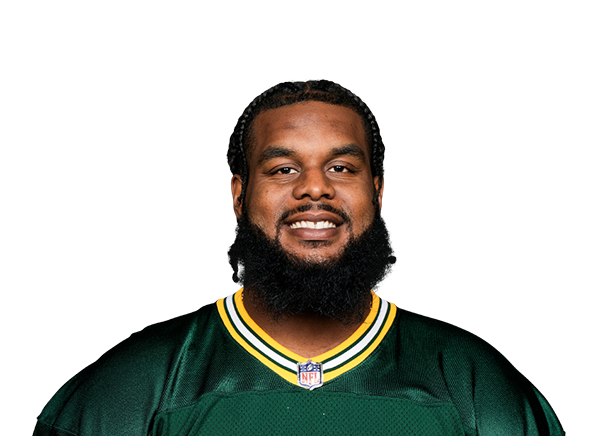
Rasheed Walker
OT · Carolina Panthers · #63
Complete NFL Player Profile
Early Life & Background
Rasheed Walker was born and raised in Waldorf, Maryland, a small but historically significant city located roughly 25 miles southeast of Washington, D.C. Waldorf is part of Charles County and has grown into a suburban community with a population exceeding 80,000 residents. Walker’s upbringing in this area played a pivotal role in shaping his athletic foundation and instilling the discipline that would later define his football career. While specific details about his family life remain largely private, it is known that he grew up in a region where high school football carries deep cultural importance. Maryland’s high school football landscape is highly competitive, particularly in the Washington, D.C. metro area, where programs like those in Prince George’s County and Montgomery County consistently produce top-tier talent. Walker’s journey began amid this competitive environment, where football not only served as a path to athletic achievement but also as a means of personal growth and community representation.
Throughout his formative years, Walker demonstrated an early aptitude for sports, with football emerging as his primary focus. His size and physical presence at an early age likely set him apart from his peers, offering a glimpse into the potential that would eventually lead him to the National Football League. While detailed accounts of his childhood are scarce in public records, it is evident that his development as an offensive lineman was nurtured through structured training and competitive play at the high school level. His physical attributes—particularly his height and weight—were apparent even in adolescence, making him a prime candidate for offensive and defensive line positions. This early recognition helped lay the groundwork for a collegiate career that would eventually culminate in an NFL draft selection.
High School Career
Rasheed Walker attended North Point High School in Waldorf, Maryland, a school recognized for its strong athletic programs and emphasis on developing student-athletes. North Point, part of the Charles County Public Schools district, has a history of producing athletes who go on to compete at the collegiate and professional levels. Walker’s tenure at North Point proved to be transformative, as he refined his skills as an offensive tackle under the guidance of coaches who prioritized both technique and physical development. While specific statistics or accolades from his high school career are not publicly available, his progression through the program indicated a steady rise from a promising prospect to a player of considerable national interest.
In high school football, offensive linemen are often evaluated not only for their raw physical tools but also for their ability to process complex schemes and maintain technique against elite defensive linemen. Walker’s development during this period was characterized by his growing ability to handle the demands of the position, including pass protection and run-blocking fundamentals. His size—standing 6-foot-6 with a frame that would eventually scale to 325 pounds—provided a natural advantage, allowing him to overpower opponents at the line of scrimmage while also possessing the athleticism to move laterally in pass sets. Coaches at North Point likely emphasized repetition in blocking drills, footwork development, and overall strength training, all of which are critical for offensive linemen transitioning to the collegiate level.
High school all-star games and combines also provided Walker with opportunities to showcase his talents on a broader stage. While it is unclear whether he participated in prominent events such as the Under Armour All-America Game or the Nike Football Training Camp, his eventual selection in the seventh round of the 2022 NFL Draft suggests that he was identified as a prospect with untapped potential. Scouts likely noted his combination of size, length, and developing technique, attributes that are highly valued in offensive tackles given the premium placed on protecting the quarterback’s blind side. Walker’s high school career, though not extensively documented, served as the essential bridge between his early athletic development and the collegiate opportunities that awaited him.
College Career
Rasheed Walker attended Penn State.
NFL Draft
Rasheed Walker’s journey to the NFL culminated in the 2022 NFL Draft, where he was selected by the Carolina Panthers in the seventh round as the 249th overall pick. The Panthers, under head coach Matt Rhule and general manager Scott Fitterer, were in the midst of a roster overhaul aimed at rebuilding the offensive line, a unit that had struggled with consistency during the 2021 season. Walker’s selection in the final round reflected both the Panthers’ strategy of drafting developmental talent and their recognition of his raw potential as a long-term project at offensive tackle.
At the time of the draft, Walker’s lack of publicly available college statistics or game film created uncertainty about his immediate readiness for NFL competition. However, his physical profile—including his prototypical size for the position, lateral agility, and strength—aligned with the traits teams seek in developmental offensive tackles. The seventh round is often where teams take gambles on athletes with high ceilings but limited collegiate exposure, and Walker fit that mold. The Panthers, in particular, have historically valued athleticism and length along the offensive line, making Walker a complementary piece to their rebuilding efforts.
The draft process for Walker likely involved evaluations from scouts who recognized his upside despite the absence of a public college track record. Some prospects with abbreviated or non-traditional paths to the NFL—such as transfers, junior college athletes, or players from programs with limited national exposure—sometimes fly under the radar until late in the draft cycle. In Walker’s case, his selection by Carolina suggested that the organization saw enough in his tape or workout data to justify investing a seventh-round pick in his development.
Professional Career
As of the current date, Rasheed Walker has not yet appeared in a regular-season NFL game for the Carolina Panthers. Drafted in 2022, he spent his rookie season on the team’s practice squad, a common pathway for seventh-round selections and undrafted free agents. The practice squad serves as a developmental platform where players can refine their skills, learn the nuances of NFL schemes, and prepare for potential activation to the active roster. Walker’s time on the practice squad would have included intensive film study, position-specific drills, and physical conditioning aimed at addressing any gaps in his game relative to NFL competition.
The Panthers’ offensive line situation during Walker’s rookie year was marked by both depth challenges and transition periods. The team entered the 2022 season with several veteran starters on the line, but injuries and underperformance led to frequent reshuffling of personnel. Walker, despite being a developmental prospect, would have benefited from the opportunity to learn from veterans such as Taylor Moton and Ikem Ekwonu, both of whom are established starters at their respective positions. The presence of experienced blockers and coaches allowed Walker to absorb knowledge about NFL-level pass protection, run-blocking techniques, and the mental aspects of the game, including pre-snap recognition and assignments.
Entering the 2023 offseason, Walker remained on the Panthers’ roster, competing for a spot on the 53-man roster. His progress during training camp and the preseason would have been closely monitored, particularly as the team evaluated its depth at offensive tackle. Injuries along the line, such as the ones that plagued the Panthers in previous seasons, have historically created opportunities for practice squad players to step into reserve roles. Walker’s physical tools—his length, weight, and potential lateral movement—make him a candidate for future roster spots if he can refine his technique and prove capable of handling NFL edge rushers.
Looking ahead, Walker’s path to regular-season playing time will likely depend on the Panthers’ long-term plans at offensive tackle. With Ikem Ekwonu entrenched at left tackle and players like Bradley Bozeman filling in at guard, Walker’s best opportunity may come from injuries or performance-based decisions within the organization. If he continues to develop under the guidance of Carolina’s offensive line coaches, he could emerge as a rotational player or even push for a starting role in the coming years. The NFL’s emphasis on protecting the quarterback and establishing a consistent ground game ensures that offensive line development remains a priority, and Walker’s continued progression will be critical in determining his role within the franchise.
Playing Style & Strengths
Rasheed Walker’s playing style is defined by a combination of prototypical size and developing technical skills that suggest a high-upside developmental prospect. At 6-foot-6 and approximately 325 pounds, Walker possesses the length and frame that NFL teams covet in offensive tackles, particularly those tasked with pass protection on the left side. His height allows him to generate power in the run game and extend his arms to create separation from pass rushers, a skill crucial for maintaining pocket integrity. Furthermore, his weight distribution and core strength enable him to anchor against bull rushes, a common technique employed by NFL edge defenders.
One of Walker’s most notable strengths is his athleticism for a player of his size. While elite offensive tackles like Trent Williams or David Bakhtiari are celebrated for their exceptional footwork, Walker’s ability to move laterally in pass sets is a trait that scouts value. The modern NFL offensive line demands quickness in both the run and pass games, and Walker’s combination of size and athleticism suggests he can adapt to zone and gap schemes with sufficient development. His footwork in pass protection, though still raw, shows promise in terms of quickness and recovery when challenged by speed rushers.
In the run game, Walker’s strength and leverage are significant assets. He has the lower-body power to drive defenders off the ball, which is particularly valuable in zone-blocking schemes where linemen must push blocks horizontally. His ability to generate movement at the point of attack can create lanes for running backs, and his size allows him to seal defenders effectively in the running game. While his run-blocking technique may still require refinement—such as improving hand placement and staying low in his stance—his physical tools provide a foundation for growth in this area.
Another area of promise for Walker is his mental processing. Offensive tackles in the NFL are often responsible for identifying blitzes, stunts, and defensive line shifts pre-snap, and Walker’s ability to diagnose these looks will be critical to his success. His football IQ, though still developing, is likely a focal point of his training as he seeks to reduce false steps and improve his reaction time to complex schemes. Scouts have noted that players with Walker’s physical profile often benefit from additional reps in game-like situations, where they can apply their technique against varied defensive looks.
Defensively, Walker’s greatest challenge lies in maintaining consistency against elite edge rushers. The NFL is filled with athletes who can bend around the corner, use counter moves, and apply pressure from wide alignments. Walker’s development will hinge on his ability to handle these scenarios, particularly in one-on-one pass sets. His arm length and strength give him tools to counter speed-to-power conversions, but his footwork must become more refined to avoid being caught out by advanced techniques. Coaches will likely emphasize drills that improve his edge control and the ability to reset his feet after initial contact.
Overall, Walker’s playing style reflects a blend of untapped potential and physical tools that could make him a valuable asset if developed properly. His strengths—size, athleticism, and strength—are foundational for an NFL offensive tackle, but his continued growth in technique, footwork, and football IQ will determine whether he can transition from a developmental prospect to a reliable starter.
Personal Life
Details about Rasheed Walker’s personal life remain largely private, as is often the case with athletes who prioritize maintaining a low public profile away from the field. Based on available information, Walker has not been prominently featured in off-field news or personal anecdotes, suggesting that he prefers to keep his family, educational background, and extracurricular activities out of the public eye. This discretion is not uncommon among professional athletes, particularly those who are still early in their careers and focused on establishing themselves within the league.
Given his roots in Waldorf, Maryland, it is reasonable to infer that Walker remains connected to his community, where grassroots football and youth development programs often rely on local talent for mentorship and leadership. Maryland’s high school football culture thrives on the involvement of former players who return to give back, and Walker’s journey from a high school standout to an NFL prospect might inspire young athletes in his hometown. While there is no public record of his involvement in charitable initiatives or community outreach, the potential for such contributions exists as he progresses in his career.
Walker’s social media presence is minimal, if not nonexistent, which further underscores his private lifestyle. Professional athletes today often use platforms like Twitter, Instagram, or TikTok to engage with fans, share training updates, or promote partnerships, but Walker has not made such activity widely known. This approach allows him to focus on his professional development without the distractions that often accompany increased public visibility.
Academically, Walker’s focus during his high school and collegiate years was clearly centered on football, though his involvement in other areas of study is not documented. Many athletes who transition to the professional level balance their time between training, film study, and personal development, and Walker is likely no exception. As he continues to navigate the NFL, opportunities for further education—whether through league programs, financial literacy initiatives, or post-playing career planning—may become relevant as part of his long-term growth.
In terms of personal interests, there is no public information regarding hobbies, outside passions, or athletic pursuits beyond football. This lack of visibility suggests that Walker’s identity is closely tied to his role as an offensive tackle, with his priorities centered on improving his game and contributing to his team’s success. As he gains more experience in the league, opportunities to share more about his background may arise, but for now, his personal life remains a private aspect of his journey.
Legacy & Future Outlook
Rasheed Walker’s legacy in the NFL remains unwritten, as he is still in the earliest stages of what could be a lengthy professional career. However, his selection in the seventh round of the 2022 NFL Draft places him on a trajectory common to developmental offensive linemen who enter the league with physical prototypes but limited collegiate exposure. The NFL is a league where experience often dictates opportunity, and Walker’s path will likely mirror that of many seventh-round picks: hard work, tape study, and in-game repetitions leading to potential breakthroughs.
For the Carolina Panthers, the assessment of Walker’s potential will be a key component of their offensive line rebuild. The Panthers have invested in young talent along the line, including first-round pick Ikem Ekwonu and veteran starters like Taylor Moton. Walker’s role may initially be as a depth piece, providing insurance in the event of injuries or underperformance. However, if he demonstrates significant progress in key areas—such as footwork, hand placement, and pass-rush recognition—he could carve out a rotational role or even compete for a starting job in future seasons.
The timeline for Walker to become an NFL-caliber starter is uncertain but typically ranges from two to four years for offensive linemen drafted in the seventh round. This period allows for sufficient development, including added strength, refined technique, and increased football IQ. Scouts and coaches will evaluate his progression based on reps in training camp, preseason performance, and, eventually, spot duty in regular-season games. Given the injury-prone nature of offensive linemen, Walker’s opportunity may come sooner than expected if the Panthers face setbacks along the line.
Comparatively, Walker’s career arc shares similarities with other developmental offensive tackles who entered the league with similar physical profiles. Players like Dan Feeney (seventh round, 2017) and Cole Strange (fourth round, 2022) overcame early expectations to become reliable starters. Feeney, in particular, transitioned from a role as a depth piece with the Chargers to a starting guard for the Jets, illustrating the potential for late-round picks to exceed draft expectations. Walker’s journey will depend on his ability to capitalize on opportunities, embrace coaching feedback, and demonstrate resilience in high-pressure situations.
From a broader perspective, Walker represents one of the many success stories that emerge from non-traditional collegiate pathways. While his college career remains a mystery in public records, his selection underscores the NFL’s emphasis on athletic traits and potential over traditional production metrics. For players who may have gone unnoticed in college football’s competitive landscape, the NFL Draft offers a second chance to prove their worth, and Walker is emblematic of that opportunity.
Looking ahead, Walker’s future outlook hinges on several factors: his continued development under Carolina’s coaching staff, the Panthers’ long-term plans at offensive tackle, and his ability to overcome the inherent challenges of transitioning from college to the professional level. The NFL is unforgiving for offensive linemen, where the margin for error is slim, and each snap is scrutinized. Walker’s progress will be measured not only by his physical improvements but also by his mental preparation and adaptability to the speed of the game.
If he fulfills his potential, Walker could leave a legacy as a player who maximized his physical gifts through relentless work ethic and coaching. For the Panthers, his success would reinforce the effectiveness of their draft strategy in identifying undervalued talent. For fans, he offers the hope of a homegrown player who develops into a dependable fixture on the offensive line. For now, however, Walker’s legacy is still in its formative stages, awaiting the next chapter in what may become a compelling NFL journey.
NFL career statistics not available at this time.
Frequently Asked Questions About Rasheed Walker
What team does Rasheed Walker play for?
Rasheed Walker currently plays for the Carolina Panthers as a OT.
Where did Rasheed Walker go to college?
Rasheed Walker attended Penn State.
When was Rasheed Walker drafted into the NFL?
Rasheed Walker was Year: 2022 Round: 7 Pick: 249.
What is Rasheed Walker's playing style?
Check the Playing Style section above for a detailed analysis of Rasheed Walker's strengths.
How many NFL games has Rasheed Walker played?
Rasheed Walker continues to develop their game at the NFL level with 0 career games played.
Rasheed Walker · Complete NFL Player Profile
Data via ESPN API & AI Research · Last updated: June 1, 2026
اترك تعليقاً
لن يتم نشر عنوان بريدك الإلكتروني. الحقول المطلوبة مشار إليها بـ *